The essential role of agritourism in rural economic development
By bridging the gap between small-scale farming and hyper-local hospitality, rural enterprises can bypass broken industrial food systems and anchor economic resilience directly in the soil.
Published August 15, 2026
The contemporary discourse surrounding rural economic development in Canada is frequently dominated by a singular, capital-intensive imperative: processing. Policy frameworks consistently look toward large-scale processing facilities as the primary vehicle for agricultural viability, framing economic health through the lens of volume and export scale. Yet, this macro-level obsession often overlooks a more dynamic, decentralized model of economic regeneration quietly taking root across rural municipalities. Agritourism, when anchored by deep operational integration between chefs and small-scale farmers, offers an alternative blueprint for rural vitality. Rather than relying on distant markets or consolidated supply chains, this model recirculates capital locally, builds community infrastructure, and transforms the constraints of rural geography into a distinct competitive advantage.
At the core of this model is a fundamental renegotiation of the relationship between food production and hospitality. In conventional culinary settings, the kitchen operates at a severe distance from the farm, mediated by commercial distributors and standardized grading systems that reward uniformity over flavor. This separation creates a transactional sterility, where food is treated merely as a commodity to be flipped. In contrast, operations like those developed by Joel and Hannah in Grey County demonstrate how collapsing the distance between grower and cook changes the economic and social calculus of a region. By starting not as a traditional restaurant, but as a network of relationships with surrounding small-scale farmers, these enterprises ensure that every dollar spent by a visitor has a direct, traceable impact on the families growing the food. This is not casual local sourcing; it is an intentional redistribution of wealth within a micro-economy, where the restaurant functions as a permanent advocacy platform and a reliable market for the full harvest of a farm—including the imperfect, unmarketable yields that industrial systems discard.
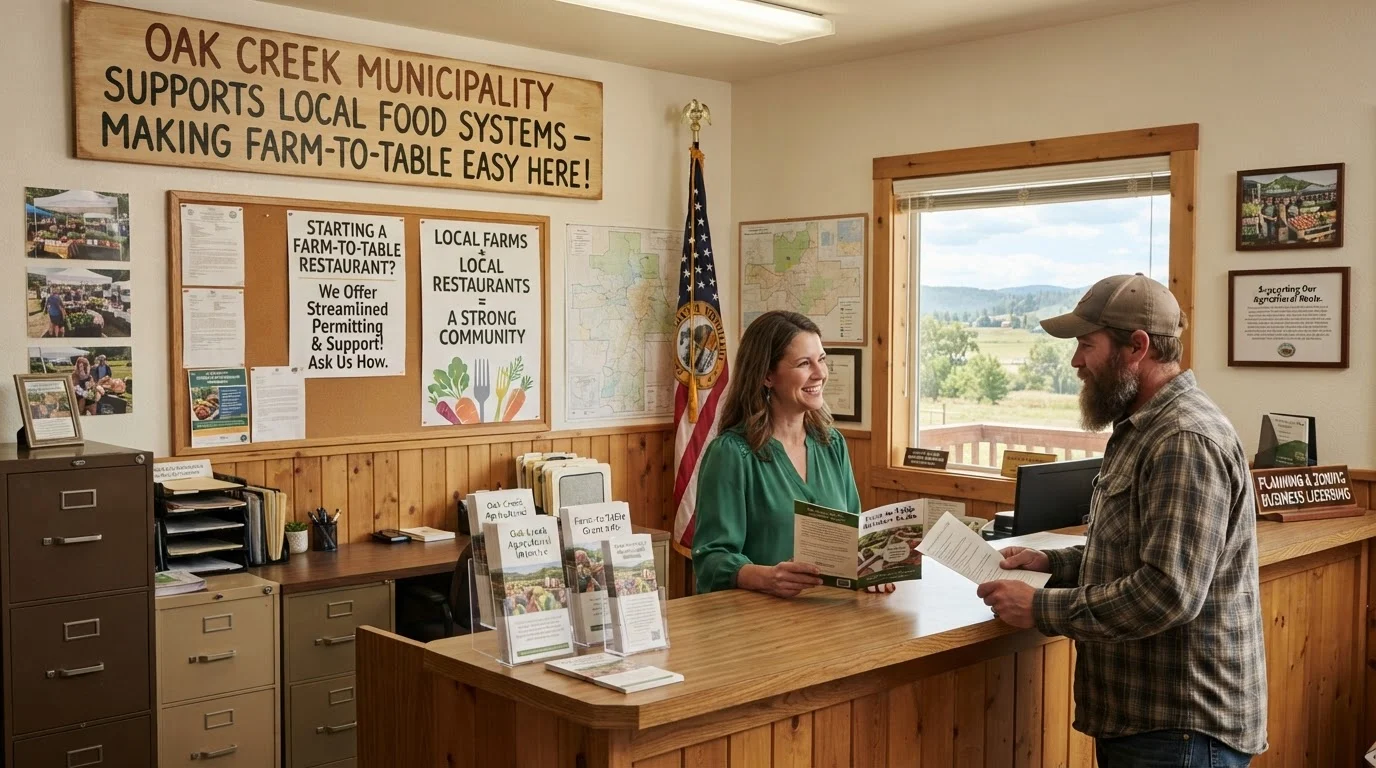
However, scaling or even sustaining this form of agritourism requires confronting significant structural hurdles, chief among them the regulatory environment. Canada’s municipal and provincial bylaws are largely built to accommodate either standard industrial farming or conventional urban-style restaurants, creating a labyrinth of zoning restrictions, septic requirements, and permitting delays for those trying to cross categories. Operating a farm-integrated dining experience requires navigating years of bureaucratic friction just to align land use with hospitality. Furthermore, the regulatory bottleneck extends deep into the supply chain, particularly regarding meat processing. Small-scale livestock producers face severe infrastructure deficits, such as a scarcity of accessible abattoirs and rigid slaughter regulations that make it extraordinarily difficult to process and serve animals raised with regenerative care on the same land where they grazed. For agritourism to serve as a genuine engine of rural economic development rather than an isolated boutique phenomenon, municipal governments must actively collaborate with farmers and culinary entrepreneurs to streamline these processes. This means modernizing bylaws to recognize on-farm dining and farm stores as legitimate agricultural extensions, rather than treating them as urban intrusions into the countryside.
The economic multiplier effect of getting these regulations right is substantial. When rural municipalities foster an environment where small farms and farm-gate hospitality can coexist, they create a magnet for adventurous, intentional tourism. Visitors do not arrive merely for a meal; they arrive for an immersive education in seasonality, land stewardship, and local culture. This influx of visitors spills over into the broader regional economy, supporting neighboring artisans, independent fishers, and diverse growers who make up the rural fabric. Crucially, this decentralized approach inoculates local food economies against the fragility of global monoculture supply chains. By cultivating a diverse network of small operations—each experimenting, failing forward, and adapting to local microclimates—rural communities build genuine climate resilience.
Ultimately, the future of rural economic development does not lie in waiting for top-down industrial investments to save struggling townships. It lies in recognizing that food is an act of community infrastructure. When municipal leaders work alongside chefs and farmers to dismantle bureaucratic roadblocks, they unlock a powerful form of economic self-determination. Agritourism bridges the divide between agriculture and hospitality, turning the realities of the soil into a sustainable, community-driven economy that honors both the producer and the eater.
Related Episode
Themes
- Agritourism Economics
- Regulatory Barriers
- Rural Infrastructure
- Chef-Farmer Partnerships