The Ecological Purpose of Livestock Versus the Reductionist Lens of Popular Food Media
When popular agri-food critiques cast animal agriculture purely as a villain, they erase millennia of ecological function and the complex realities of working land.
Published September 16, 2026
Popular food writing has a persistent habit of flattening complex agricultural realities into tidy morality plays. In these narratives, livestock agriculture is routinely cast as an unmitigated ecological evil—a carbon-emitting behemoth whose eradication is a prerequisite for environmental salvation. Yet this reductionist lens ignores a fundamental biological truth: animals, particularly ruminants, evolved over millennia to perform specific ecological functions. When agriculture is viewed strictly through the binary of good plants versus bad animals, the broader web of soil health, nutrient cycling, and land management is obscured by ideological spin.
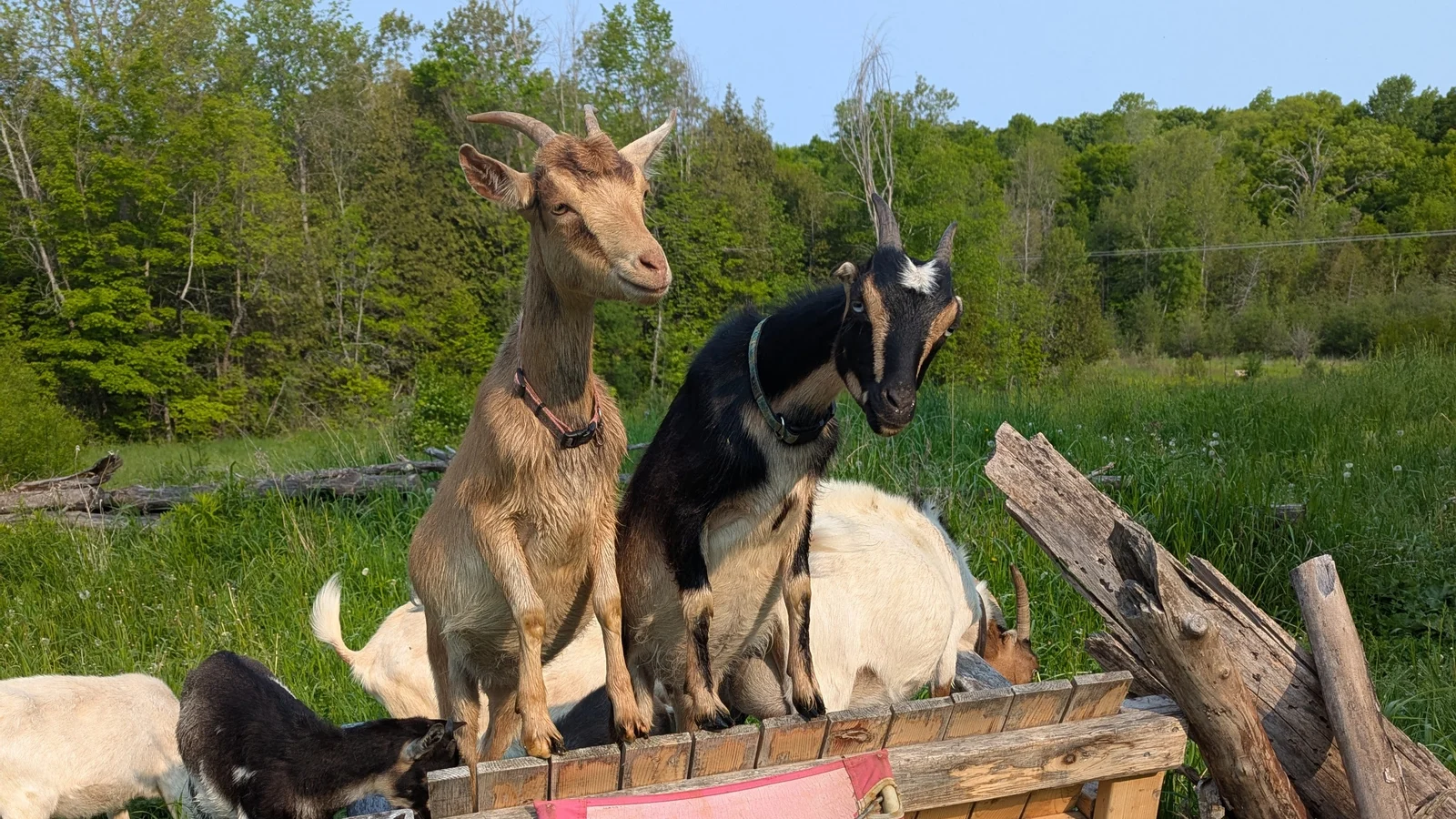
The tension between popular food media and those embedded within the agri-food sector is rooted in a fundamental disconnect over what livestock actually do. As industry practitioners and producers note, animals do not exist merely to be consumed; they are part of integrated systems where their grazing patterns, manure, and foraging habits help maintain ecosystems that would otherwise degrade. To frame livestock production entirely through the lens of industrial excess is to ignore the historical baseline of ruminants on the landscape. Long before modern industrial farming, massive herds of wild ruminants shaped North American prairies, cycling nutrients and stimulating plant growth in ways that mechanical tillage or monoculture cropping simply cannot replicate.
Furthermore, the popular critique of animal agriculture frequently relies on selective data and emotional framing while ignoring the systemic economic pressures that drive farming practices. As participants in the broader agri-food sector observe, producers are not operating in a vacuum of pure malice or unbridled greed; they are navigating a punishing capitalist marketplace. When global commodity pricing rewards scale and efficiency above all else, farmers are forced to squeeze out costs to remain viable. Yet mainstream food media often treats these outcomes as moral failures of the individual farmer rather than structural consequences of an economic model that demands cheap food while externalizing environmental costs. By refusing to name capitalism and market concentration as the root drivers of these pressures, popular critiques offer toothless, consumer-focused reforms that leave the underlying machinery untouched.
This intellectual dishonesty extends to the way food media frames technology and innovation. Just as livestock are reduced to carbon liabilities, agricultural technologies—from genetic modification to high-efficiency inputs—are often portrayed through a dystopian framework that pits purity against contamination. Yet breeders and producers understand that genetic selection and technological adaptation are as old as farming itself. The ethical question is not whether modification occurs, but whose interests it serves and what outcomes it optimizes. When critiques focus exclusively on corporate villains like Monsanto while ignoring the practical, resilient ways communities use technology to adapt to climate and economic volatility, they demonstrate a profound lack of literacy regarding how food is actually grown.
Ultimately, moving past the reductionist framing of popular food media requires embracing a systems-level perspective that refuses to rely on easy villains. It means acknowledging that food production is inherently tied to complex ecological, economic, and cultural contexts that vary wildly from region to region. Whether examining the community-driven resource management of First Nations aquaculture initiatives or the intricate balance of local food processing and supply chains, the future of the agri-food sector depends on holding multiple, sometimes contradictory truths at once. Animals have a legitimate ecological purpose, markets can be leveraged for the common good when properly governed, and producers are simultaneously economic actors and stewards of the land. Until public discourse catches up to these complex realities, popular food writing will remain little more than an exercise in elite storytelling, detached from the very earth it claims to protect.
Related Episode
Themes
- Ecological Role of Ruminants
- Reductionism in Food Media
- Capitalism as the Unnamed Structural Force
- Producer Realities versus Consumer Perceptions