42: Feed The People Salon
Episode 42 · September 16, 2026
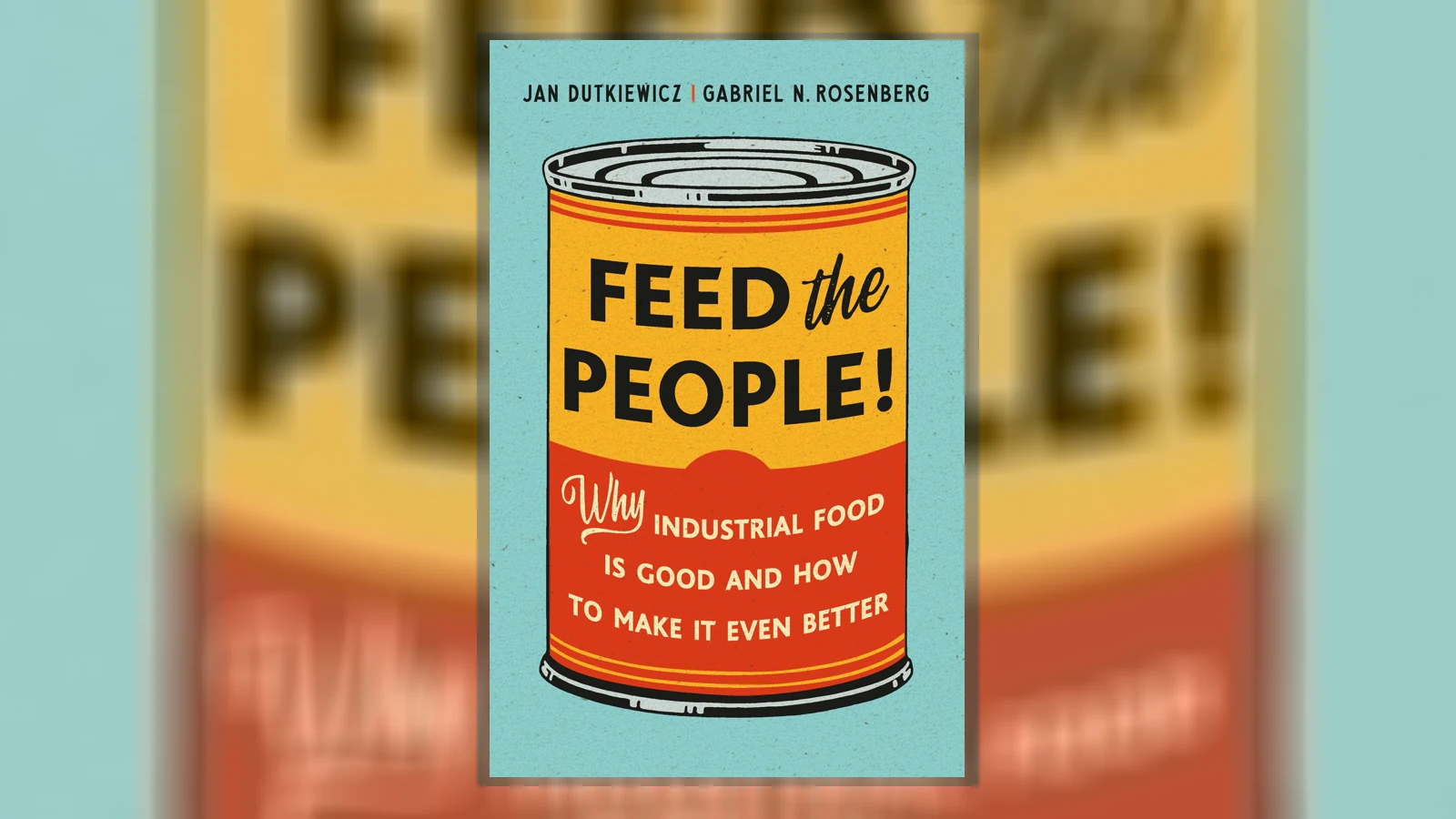
In this lively salon conversation, the Future Herd critique the popular book Feed the People for its American-centric worldview, reductionist view of livestock, and failure to address capitalism head-on. The panel contrasts the lived realities of agricultural risk and market competition with academic punditry, exploring alternative frameworks like Indigenous governance and dynamic food pricing. Together, they unpack how moving past simplistic binaries is essential for a resilient Canadian agri-food sector.
Overview
In this episode, host Jesse Hirsh is joined by a diverse panel of agri-food experts for a critical salon discussion of the book Feed the People. The conversation tackles the book's core American-centric blind spots, examining how popular food writing often reduces complex agricultural realities to simplistic villains and heroes. Rather than engaging with the true systemic drivers of modern agriculture, the authors lean heavily on the term "industrial" as a convenient cover for the realities of global capitalism.
Throughout the discussion, the panelists pull back the curtain on the actual risks and economic pressures carried by primary producers. Barb Scott-Cole and Jennifer MacTavish highlight how crop and livestock production are squeezed by unpredictable weather, global market competition, and the unreasonable expectation of zero-impact food production. The group critiques the book's reductionist caricature of livestock and its failure to acknowledge the essential ecological role of ruminants, pointing out a frustrating double standard that praises industrial efficiency for crops while demonizing animal protein.
The conversation also expands into structural and cultural critiques of how we consume and regulate food. Jesse Hirsh and Tianna Brand draw a sharp contrast between passive, television-like grocery store design and modern, interactive media, while pushing back against rebranded capitalist buzzwords like "democratic hedonism." Bringing a distinct regional and sector perspective, RJ Taylor contrasts cumbersome, outdated provincial aquaculture regulations with Indigenous-led governance models from First Nations like Wiikwemkoong, which anchor resource management in generational stewardship and direct community accountability rather than bureaucratic paperwork.
Ultimately, the episode challenges listeners to look beyond polarizing food narratives and confront the true cost of food production. Elaine Power notes that while good-quality food should cost more to properly support farmers, systemic policy safety nets like a basic income floor are vital to ensure equity for workers and consumers alike. This salon offers an engaging, unfiltered look at what it truly takes to build a resilient, multi-faceted food system in Canada without relying on scapegoats or false binaries.
Key themes
- Food Systems
- Agricultural Economics
- Livestock Production
- Capitalism
- Food Sovereignty
- Indigenous Governance